How Long Do Leftovers Last? A Fridge and Freezer Storage Guide
A plain-English guide to how long cooked food actually keeps, the safest way to cool and reheat it, and the small habits that stop good food going in the bin.
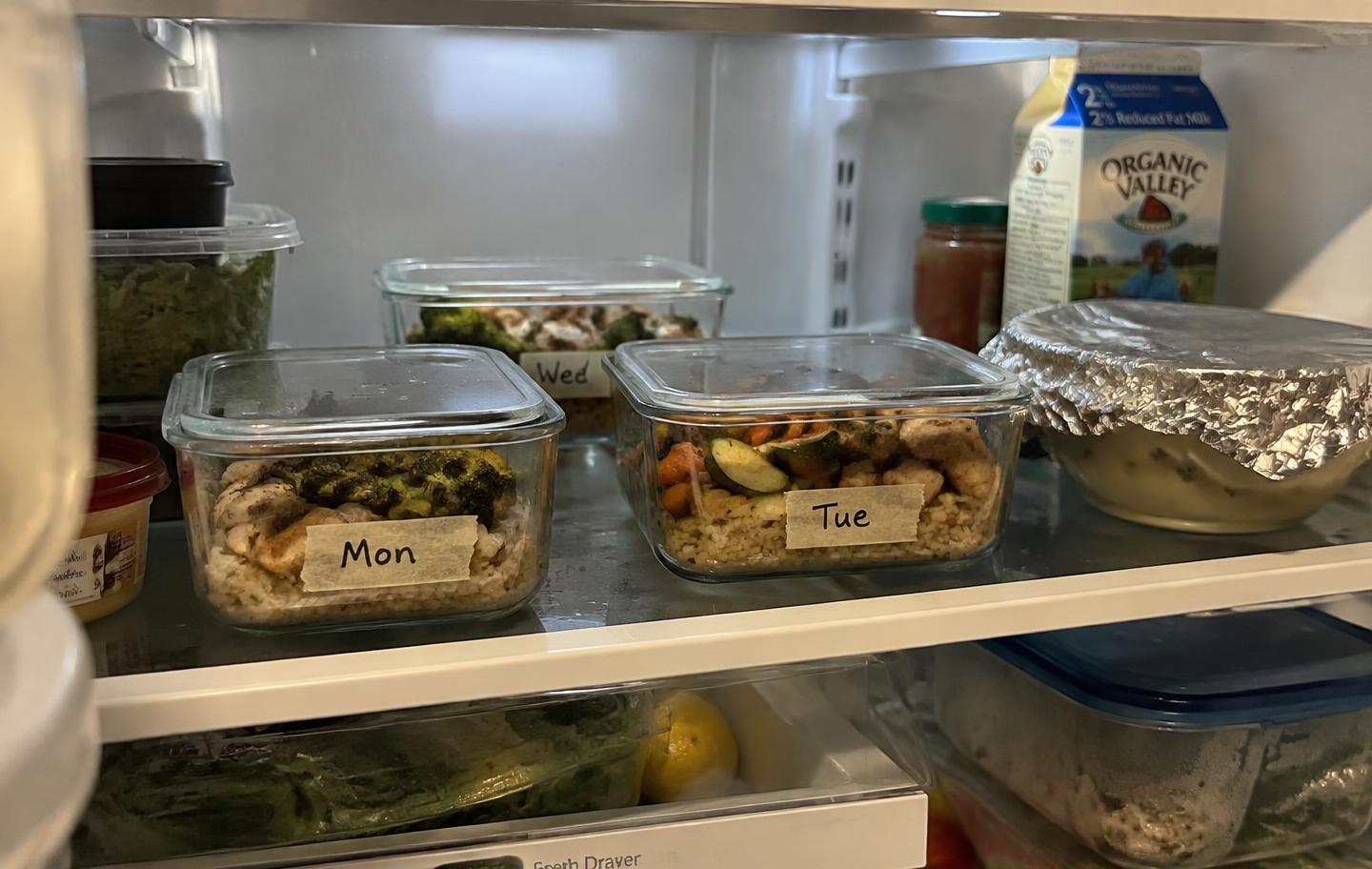
Most of us judge leftovers by smell and hope. That works right up until it doesn't — and by then you have either thrown out perfectly good food or eaten something you shouldn't have. Here are the timings worth knowing, why they exist, and the handful of habits that make the whole thing effortless.
The short answer
Cooked leftovers keep 3 to 4 days in a fridge running at or below 5°C (41°F), and 3 to 4 months in the freezer for best quality. Frozen food stays safe indefinitely below -18°C (0°F) — it just gets progressively drier and duller in flavour.
The clock starts when the food finishes cooking, not when it goes in the fridge. Two hours on the counter counts against the total; on a hot day above 32°C (90°F), that window shrinks to one hour.
Fridge and freezer times for common foods
- Cooked meat, poultry and mince: 3-4 days fridge / 2-3 months freezer
- Cooked fish and seafood: 2-3 days fridge / 2-3 months freezer
- Soups, stews and curries: 3-4 days fridge / 3 months freezer
- Cooked rice and pasta: 3-4 days fridge (cool fast — see below) / 2 months freezer
- Cooked vegetables: 3-4 days fridge / 3-4 months freezer (roast veg goes soft after thawing)
- Dressed salads and cut fruit: 1-2 days fridge / not suitable for freezing
- Hard-boiled eggs (in shell): up to 1 week fridge / not suitable for freezing
- Opened tinned beans or tomatoes: 3-4 days fridge in a sealed container, never in the open tin
- Gravy, stock and pan sauces: 1-2 days fridge / 2-3 months freezer
- Homemade pesto and hummus: 4-5 days fridge / 3 months freezer (freeze in ice cube trays)
These are quality-and-safety guidelines, not a countdown timer. Food stored badly can spoil sooner; food cooled fast and sealed well often lasts the full window comfortably.
Cool it fast — this is the part most people skip
Bacteria multiply fastest between 5°C and 60°C (41°F and 140°F). The goal is to move food through that range quickly instead of leaving a warm pot on the hob for three hours.
- Divide before you chill. A 3 litre (about 3 quart) pot of stew takes hours to cool; the same stew in three shallow containers takes under an hour.
- Shallow beats deep. Aim for a depth of about 5 cm (2 inches).
- Rice needs urgency. Uncooked rice can carry Bacillus cereus spores that survive boiling and multiply in rice left at room temperature. Spread it on a tray, chill within an hour, and reheat only once.
- Don't seal a steaming lid. Cover loosely until the steam stops, then close it — trapped condensation makes food soggy and warms the fridge around it.
- Warm food in the fridge is fine. Modern fridges cope easily; the old advice to wait until food is at room temperature causes more problems than it solves.
Reheating without ruining it
Reheat until the food is steaming all the way through — 75°C (165°F) at the centre. Stir halfway through in the microwave, because microwaves heat unevenly and the cold spot in the middle is where trouble hides.
- Rice and grains: add a splash of water, cover, microwave in bursts.
- Roast vegetables and pizza: a hot dry pan or an oven at 200°C (400°F) brings back the crisp; the microwave never will.
- Soups and stews: bring to a full simmer on the hob rather than a lukewarm warm-through.
- Reheat once. Take out the portion you'll eat and leave the rest cold.
Freezing so it still tastes like food
- Freeze in portions you'll actually use — one dinner per container beats one giant brick.
- Squeeze the air out. Freezer burn is dehydration; less air means less of it.
- Label with masking tape: what it is and the date. Two months later, everything looks like frozen beige soup.
- Thaw in the fridge overnight, or in the microwave if you're cooking it straight away. Never on the counter.
- Don't refreeze thawed cooked food unless you cook it into something else first.
- Freezes badly: cream sauces (they split), potatoes in soup (grainy), lettuce and cucumber, boiled eggs, fried food.
When to bin it, no matter what the chart says
Trust these over the calendar: any mould on cooked food, a sour or fizzy smell, a slimy film on meat, a bulging lid on a container, or rice left out overnight. Reheating does not undo the toxins some bacteria leave behind, so heat is not a rescue plan. If you can't remember when you cooked it, it goes.
Five habits that cut waste to almost nothing
- Keep an eat-me-first shelf at eye level and put every leftover there.
- Label everything, even the things you're sure you'll remember.
- Cook once, plan the second meal — roast chicken tonight, chicken and rice bowls tomorrow.
- Do a Thursday sweep: fried rice, frittata, soup or a tray bake absorbs almost any odd remainder.
- Shop to a plan. Most waste starts in the trolley, not the fridge — our healthy grocery list for the week is a good starting point.
Frequently asked questions
Can I eat leftovers after 5 days? Not recommended. After 4 days, listeria can grow even at fridge temperature, and it doesn't change how food smells or looks.
Is it safe to put hot food straight in the fridge? Yes, in shallow covered containers. Fast chilling matters more than protecting the fridge temperature.
How long can takeaway sit out before it goes in the fridge? Two hours from when it left the kitchen, one hour in hot weather.
Does the freezer kill bacteria? No — it pauses them. They resume when the food thaws, so thaw in the fridge and cook promptly.
How do I know my fridge is cold enough? A £5 / $5 fridge thermometer on the middle shelf. Many fridges run several degrees warmer than the dial claims.
Put it into practice this week
Storage rules only matter if there's something worth storing. If you want food that reheats well by design, start with our meal prep recipes for the week, and keep a few easy weeknight dinners in rotation for the nights the fridge looks empty.
Cook a little extra, chill it fast, label it, and eat it within four days. That's the whole system.